
Courier is an Old Germanic variant of Chess. I am reluctant to call it ancient, because I feel in the history of Chess, being played from 12th Century to the 18th Century is not that long ago. But The fact remains, is is nearly a thousand years old, and is not played as mainstream anymore.
There has been a movement to revive this game in recent years.
The first thing you notice when looking at a Courier game is that the board is large. I mean quite a bit larger than normal chess games. Instead of the standard 8×8 grid, it is played on a 8×12 grid. This means each player has 24 pieces instead of 16 to use, and the strategy changes immensely.
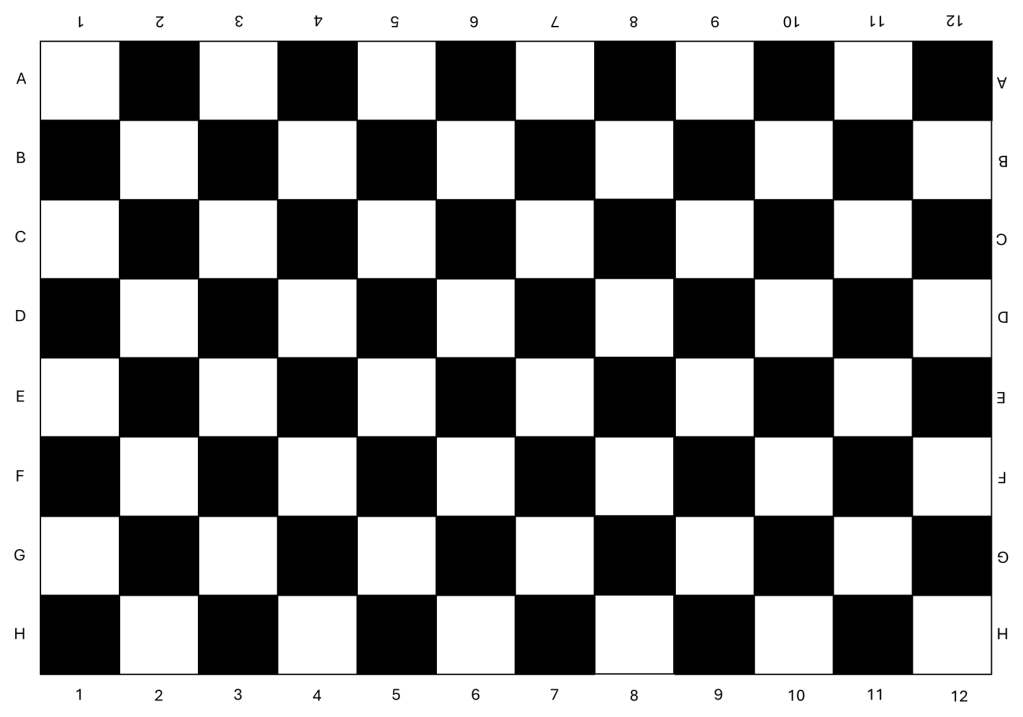
Courier has the main pieces that Chess has with little to no change for the pieces, however it has extra pieces.



The King.
The king is nearly identical to modern day chess. He moves 1 space any direction. He can never move into check, and if in check must move out of check. If he is ever in Check mate or captured, then the game ends with his defeat.
The King cannot castle like the modern chess.
The king begins on the 6th rank of the board, always the same color space as his army.



The Queen
The Queen in Courier is very different from the Chess Queen. The Queen moves 1 space diagonally only. She is not the power house that she has been built up to be in Chess. Oddly enough, This Queen (Often called the Medieval Queen, is the original queen from chess before the 16th century.
She starts next to the King on the 7th Rank.

The Sage
The sage is the King’s trusted advisor. The sage helps the king make strategic decisions. This moves exactly like a King, 1 space in any direction.
The sage sits on the opposite side of the king from the Queen, at the 5th Rank.


The Jester
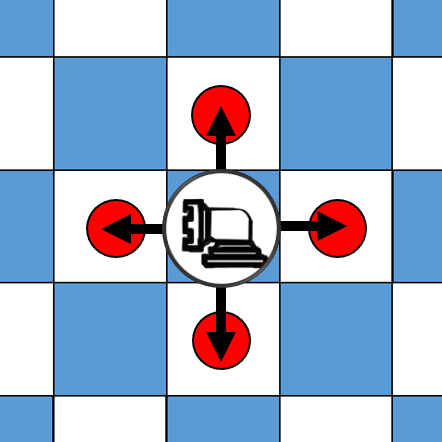
The comedian. The Jester is another courtier, or member of the King’s Inner circle. He moves 1 space orthogonally like a rook. 1 space left or right, or up or down, but never diagonally.
The Jester begins on the 8th Rank, next to the Queen.


The Courier
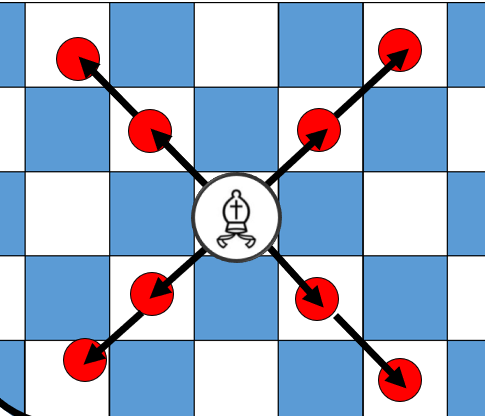
The piece that names the game. The Courier runs messages from the King to his armies. The Courier runs just like the modern day Bishop (That’s why we use it’s likeness here). It moves any number of spaces diagonally.
The courier starts on both the 4th Rank, and the 9th Rank


Bishop:
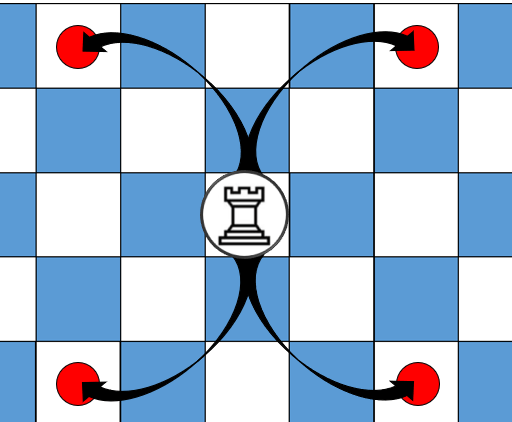
Sometimes called the Medieval Bishop. The Bishop, is not as powerful as the modern bishop. In fat he resembles the Elephant from Xiang Qi. The Visir moves ONLY 2 spaces diagonally. (Never 1 space), and leaps over any piece in between his starting place and his destination, much like a knight.
The Bishop starts on Both the 3rd Rank, and the 10th Rank.


Knights
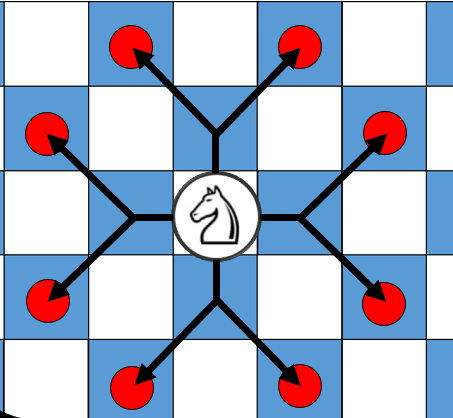
Knights do not change. They still leap over pieces, and move 1 space orthogonally, and then 1 space diagonally. The Knight is a staple of chess games.
The Knight starts on Ranks 2 and 11.


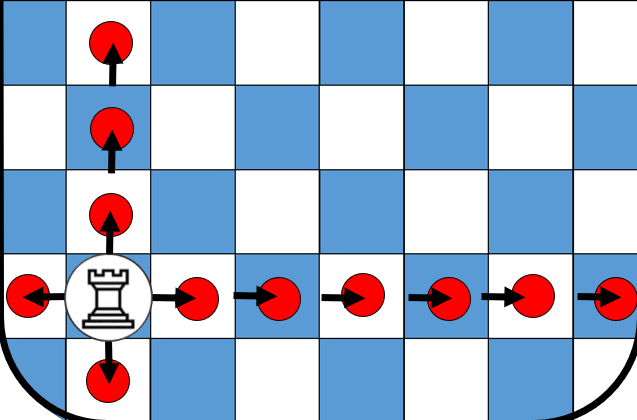
Rooks
Like modern Chess, Rooks move the same long distance. They can move any number of spaces in an orthogonal direction. This means up down left or right.
Rooks begin on the 1st and 12th rank of the board.

Pawn
Pawns are mostly the same as Modern Chess Pawns. The move 1 space forward, never backwards. They capture by moving 1 space diagonally. Unlike modern Chess, they do not gain the double step ability, or the en passent ability, due to the lack of double step.
You start with 12 pawns, across the entire 2nd row of the board.

Opening the Game
The opening of the game is not as simple as Modern Chess. Certain pieces must be moved in a certain way before the game may proceed. White must move first. Before regular play can begin, each player must move these pieces:
- Both Rook-pawns (The pawns in front of the rook) 2 spaces forward.
- the Queen-Pawn (The pawn in front of the queen) 2 spaces forward.
- Interestingly enough, this is the only case of when pawns double step. (Each of the 3 pawns double steps in this phase)
- The Queen moves 2 spaces forward.
- This is again, the only time the queen moves directly forward, and it must be 2 spaces.

How to play at home Without the Official Set?
So there are a few reasons you may want to try this game at home with a regular chess set. for the most obvious, you cannot buy it nearby. (You might be lucky to find it online.)
You should be able to play it with a little work. Here’s what you need:
- 2 visibly different chess sets.
- a way to extend the board 4 more row2.
- you could use magnet paper & labels.
- Or You could just place half of a 2nd board next to the first.
- Markers. (to color spaces if making from paper)
I unfortunately have not made a copy yet.
Chess Wars!
When playing this variant in Chess Wars! you need to use the larger board. Smaller Armies need to be set in the middle of the board, leaving space on the first and last few ranks.
Where Courier may lose strength to the other armies, is the Courier army must still go through phase 1, and so the opponent, is able to plan around your first 4 moves.
 Baldwin Games
Leave a comment