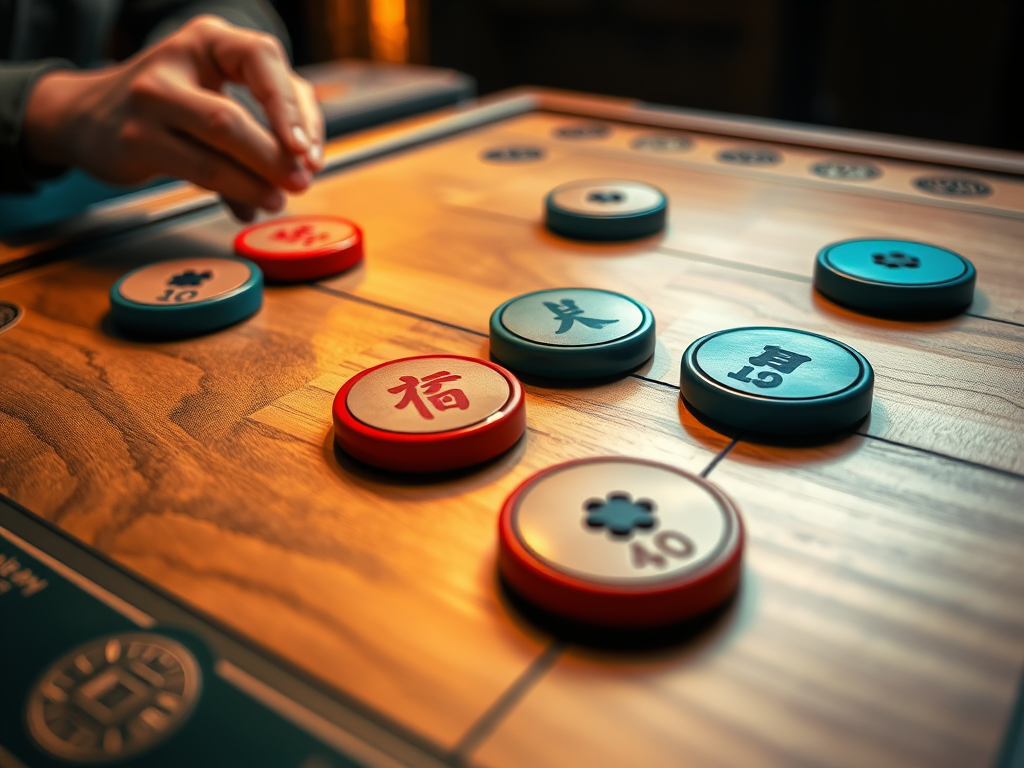
It’s strange. I learned Janggi, or Korean Chess before I learned XiangQi, or Chinese Chess, but I didn’t notice for many years some of the differences. I have come to the conclusion that JangGi is the superior game. You may come to your own conclusions, but Hear me out with the rules and background below.
First of all JangGi is a much younger game. It is an obvious variant of the Chinese Chess game. The board is very similar. You may even say it is the same with the 1 difference being that Korea removed the River. Which is strange as Korea is famous for it’s Han River…
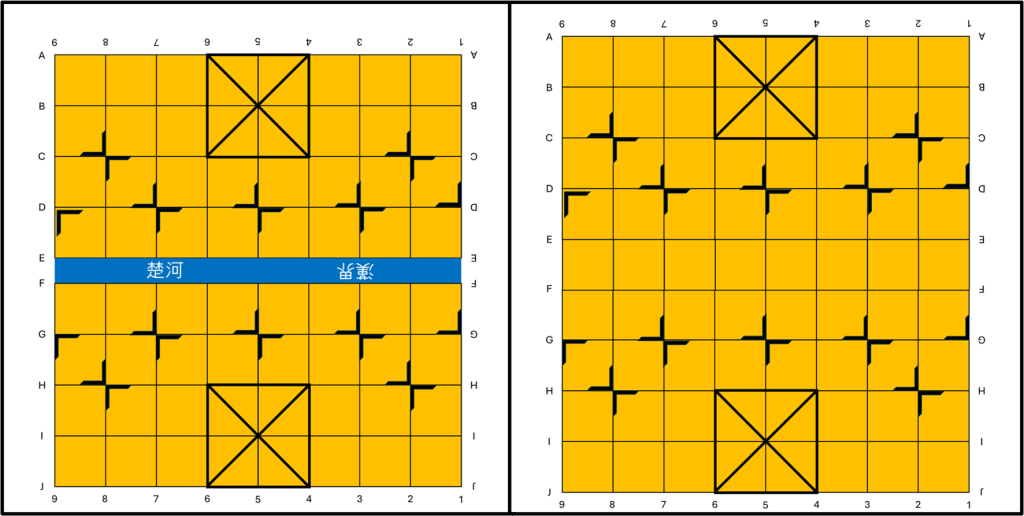
The piece differences are quite noticeable however, and the games may be interesting to pit against each other in ChessWars. Let’s take a look.



The General. (Han / Cho)
The General has a different name depending upon the color you choose. In Korean Chess the General starts in the center (X) of their palace, unlike the Chinese where he is lined up with his men. The General may move 1 space along any of the lines in his palace.
If the Generals are facing each other with no pieces between them, the game ends in a draw.
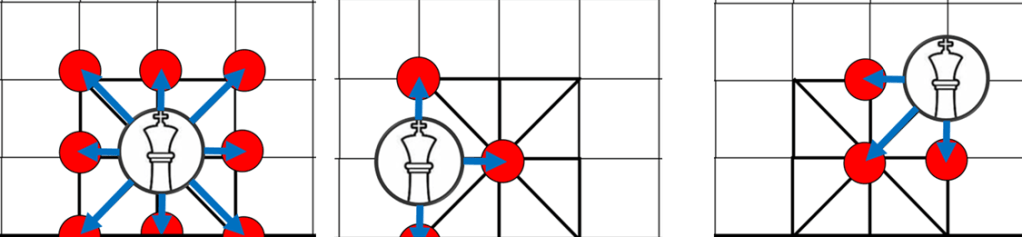
Arrows show movement options. Red Dots show capturing options.


The Guard (Sa)
The Guards start in the palace behind the General in the corners, and may move exactly the same as he can.


The Elephant: (Sang)
Elephants replace regular bishops in chess, and thus use the same symbol. The Elephant typically starts next to the guards, just outside the Palace. However, they may be started anywhere outside the palace along the back row of the board. Elephants move like reverse horses. They move 1 space orthogonally (Horizontal or Vertical), and then 2 spaces diagonally. They do not leap over anyone, and can be fenced in by pieces. This is different than Chinese in movement, and the Korean elephant is not limited to half the board.
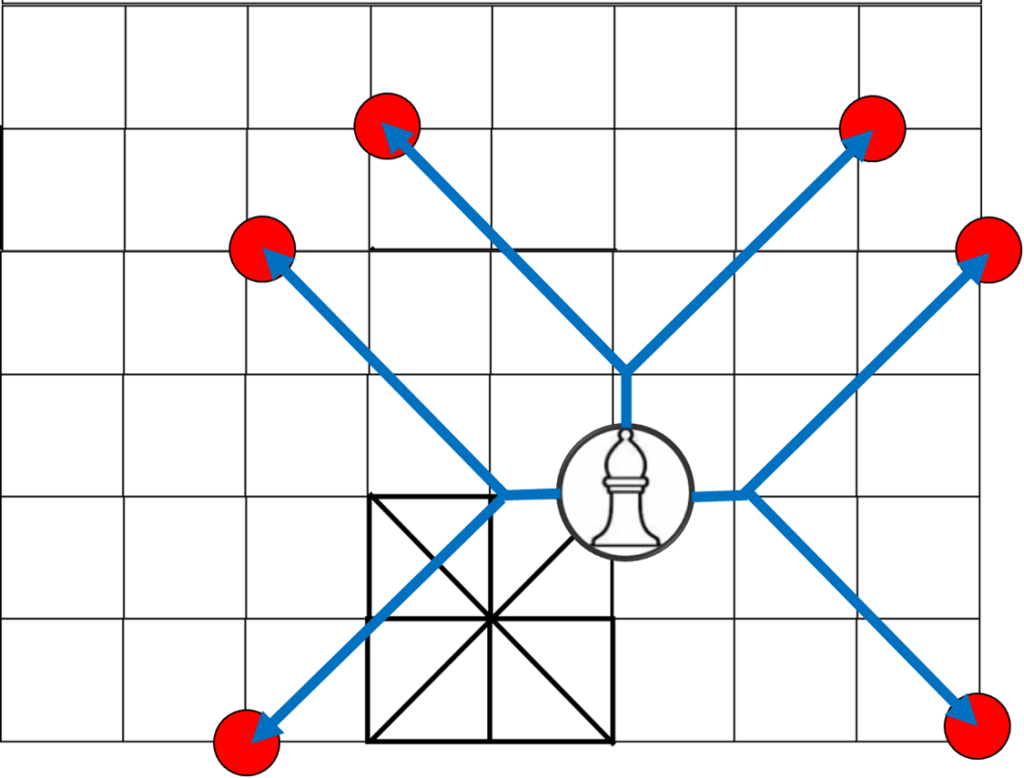


The Horse: (Ma)
The Horse Typically starts in the middle between the Palace and the Corner. But may be traded with the Elephant for starting positions. The Horse moves just like in Traditional Chess (Knight), 2 spaces Orthogonally, and then 1 space diagonally. It cannot leap over pieces and may be fenced in.
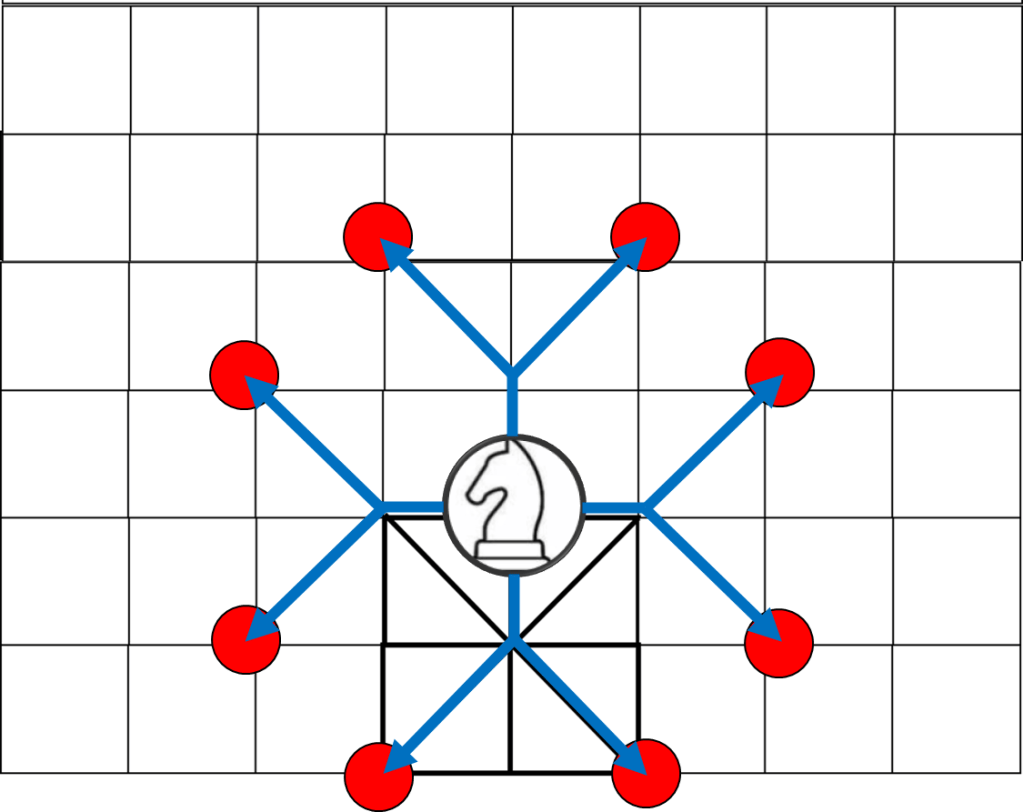


The Chariot: (Cha)
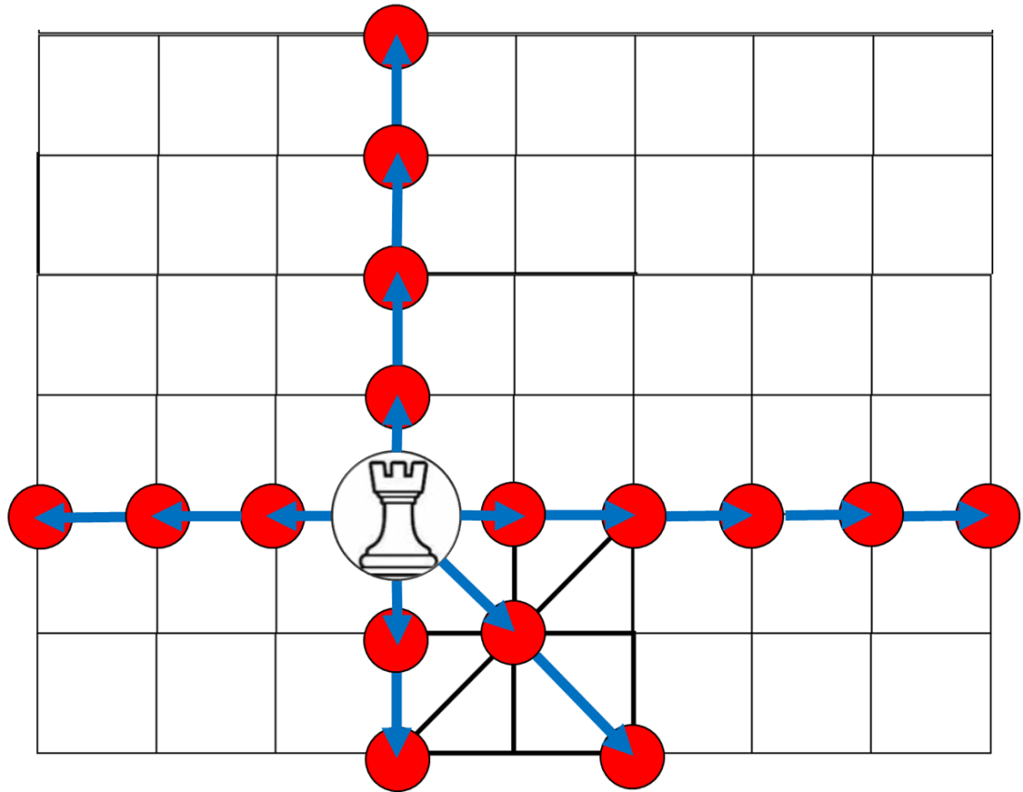
The Chariot typically starts in the corners of the board, but may have been placed next to the palace if the elephant has been placed in the corners. Chariots move just like Rooks from Chess. They moves any number of spaces orthogonally.
Unlike in Chinese Chess, The Chariot may also move diagonally along the Palace lines.


Canons: (Po)
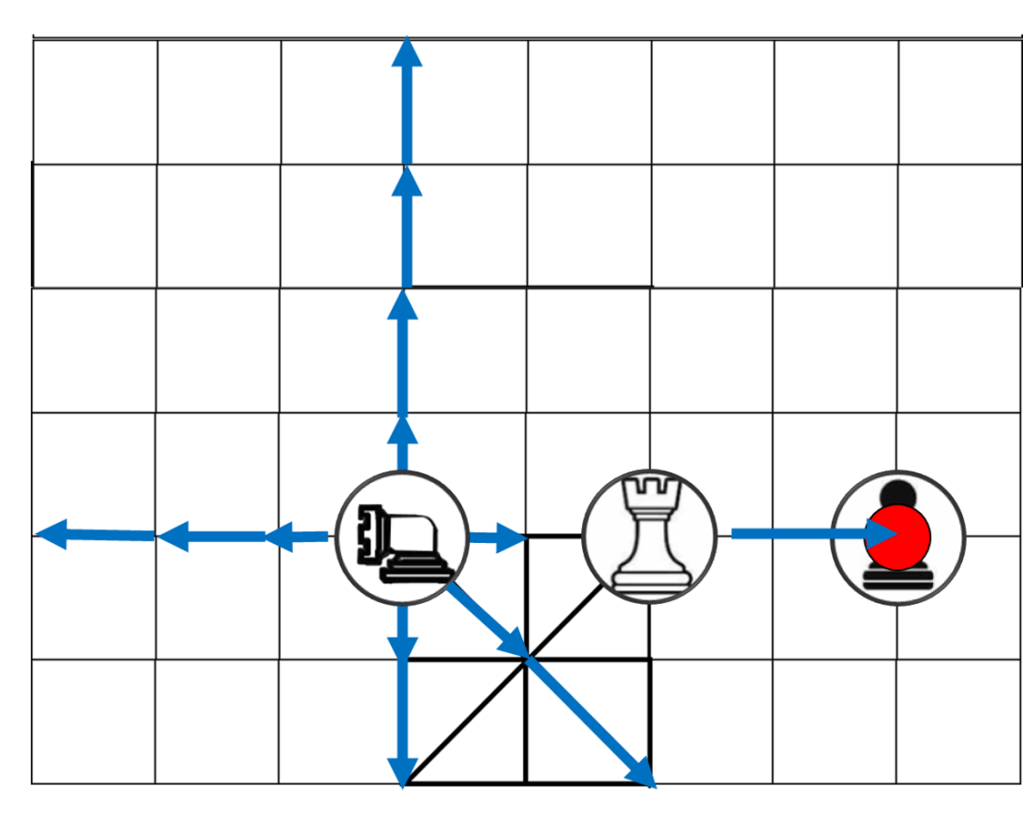
Canons move exactly like they do in Chinese Chess. They move any number of spaces Orthogonally, but can only capture by leaping over a secondary piece first. Like Chariots they may also use the Palace lines to move diagonally.
Unlike Chinese Chess, Canons cannot leap over OR capture other canons.


Pawns: (Zol / Byeong)
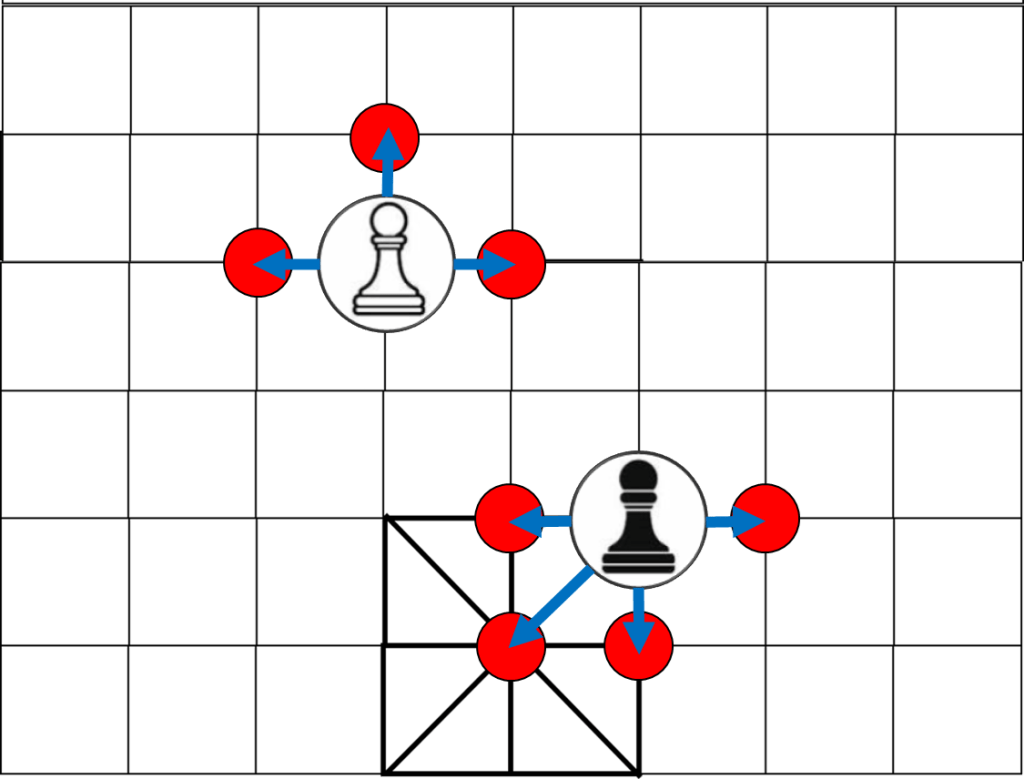
Pawns have a few changes that unfamiliar players may need to get used to. First of all, unlike Western (FIDE) Chess, you only have 5 of them. Pawns may move forward OR horizontal 1 space. If a pawn makes it to the opponents palace, it may also move 1 space diagonally on the palace lines. Pawns never move backward in any direction.
Unlike FIDE Chess, there is no double step or enpassent. They also cannot be promoted. If they make it to the far end of the board, they only have the option of moving horizontally. Unlike XiangQi, they do not need to cross the river to gain their horizontal movement, and start with that as an option. (There is no river)
Initial Setup:
Unlike many chess versions, JangGi does not start when the pieces are on the board. It starts before the set up. During tournaments, the older player (or the more experienced player) takes a pawn of each color and holds them in his hand, mixing them up. then behind his back, he moves 1 pawn to each hand. placing his closed fists out in front, the other player chooses 1 hand. The color of the pawn inside that hand determines who begins the game.
At this step the players alternate placing their pieces on the board 1 piece at a time. There are a few options they can use to give them a tactical advantage. Pawns, Canons, Generals, and Guards must always begin at the same place. (See below)
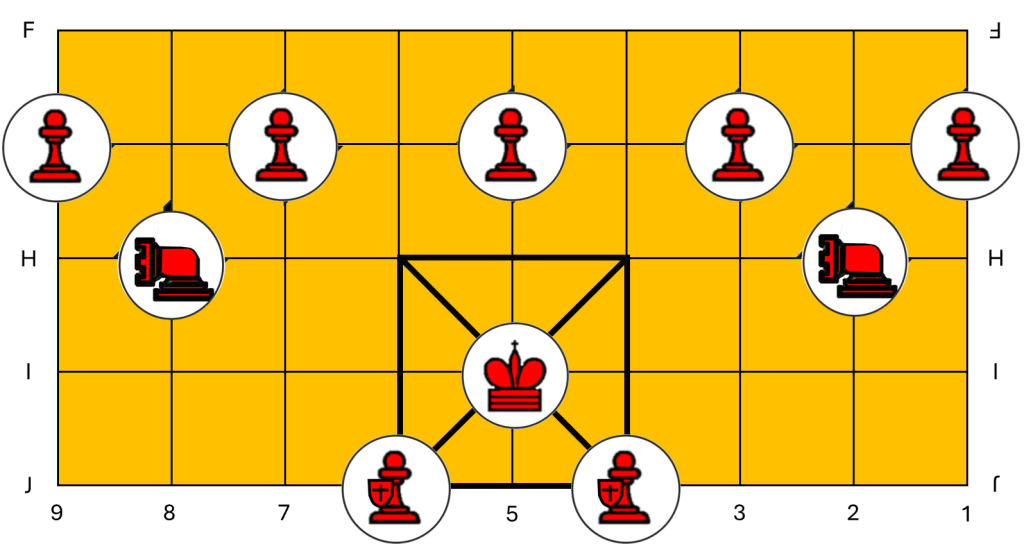
The Chariot, Horse and Elephant have options. All based upon the Elephant.
The Typical way to set up is called the Inner Elephant Setup. This is because the Elephants are right beside the Guards.
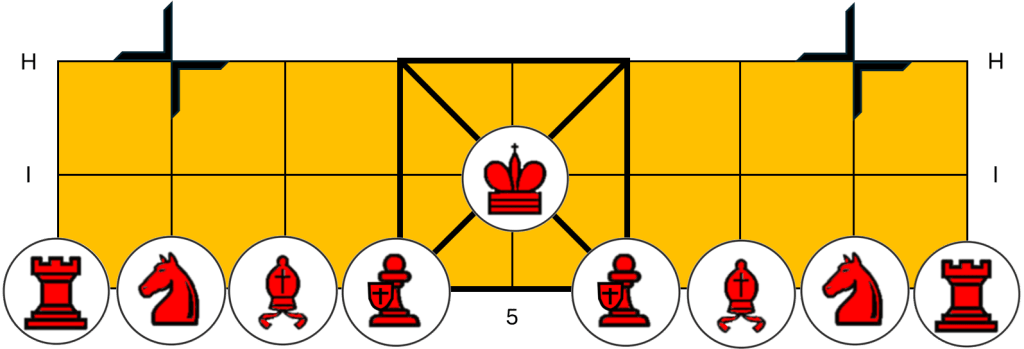
The first common alternative is the Outer Elephant Setup. This is because the Elephants trade place with the knights, and are outside, in the field.

The Next alternative to choose is the Left Elephant Setup. In this set up, both elephants are on the left side of the horses.

The Next alternative to choose is the Right Elephant Setup. In this set up, both elephants are on the right side of the horses.

The last Setup option, is a regional one. Apparently, this setup is only used in North Korean tournaments. But I find it interesting, so I am including it. it is called the Inner Chariots Setup. In this case, the elephants begin in the corners of the board, and the Chariots begin beside the palace.

As you can see, this game has a lot of variance from it’s predecessor (Chinese Chess). Which makes it a good game to try to play if you have become too comfortable with Chinese Chess.
How to play at home Without the Official Set?
So there are a few reasons you may want to try this game at home with a regular chess set. for the most obvious, you cannot buy it nearby. (Probably true for my friends in the western world.) but maybe you can buy it, but just get lost with all of the Chinese writing on the pieces. (Yes Korean Chess has Chinese on their pieces, but not exactly the same writing as in Chinese Chess….)
You should be able to play it with a little work. Here’s what you need:
- 2 visibly different chess sets.
- a way to extend the board 1 more row.
I use magnet paper & labels. - Markers. (to make the palace)
I made a magnetic palace for 1 side, and included the palace on the other.
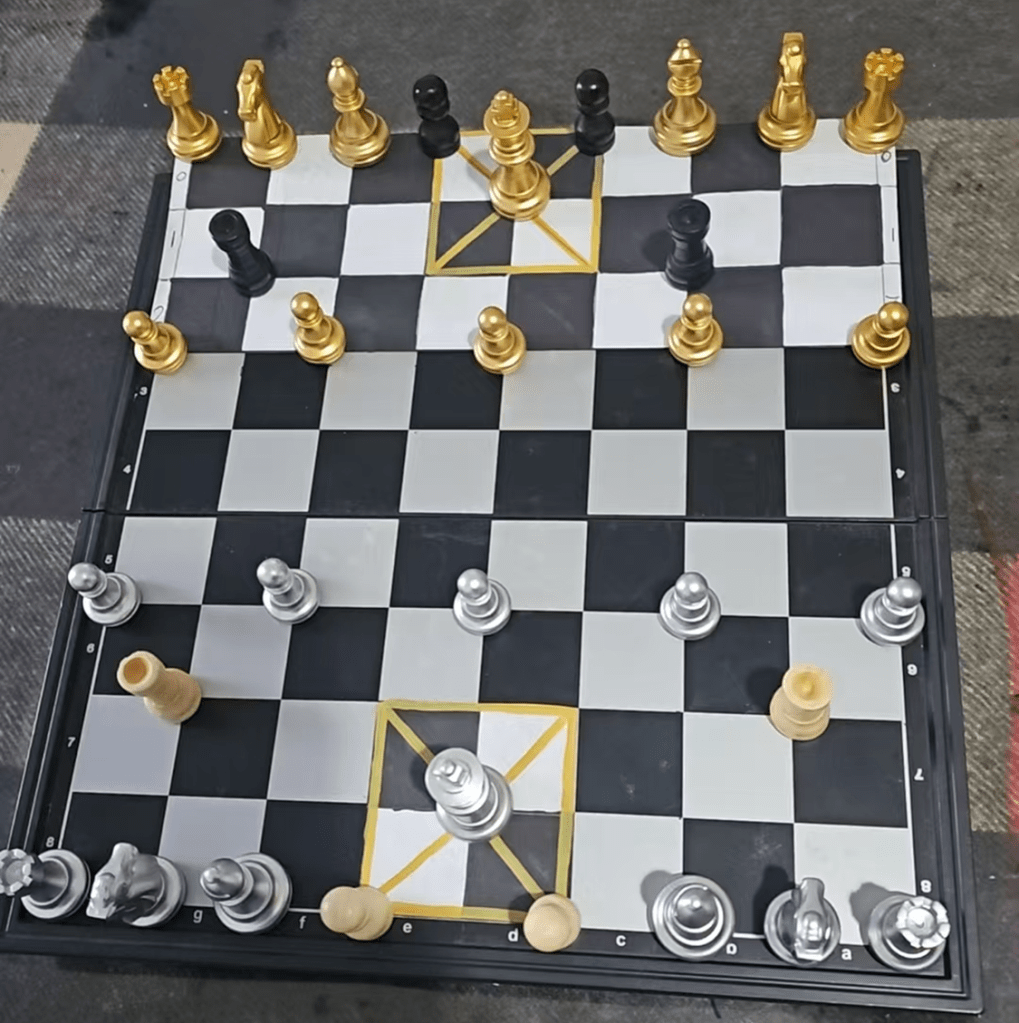
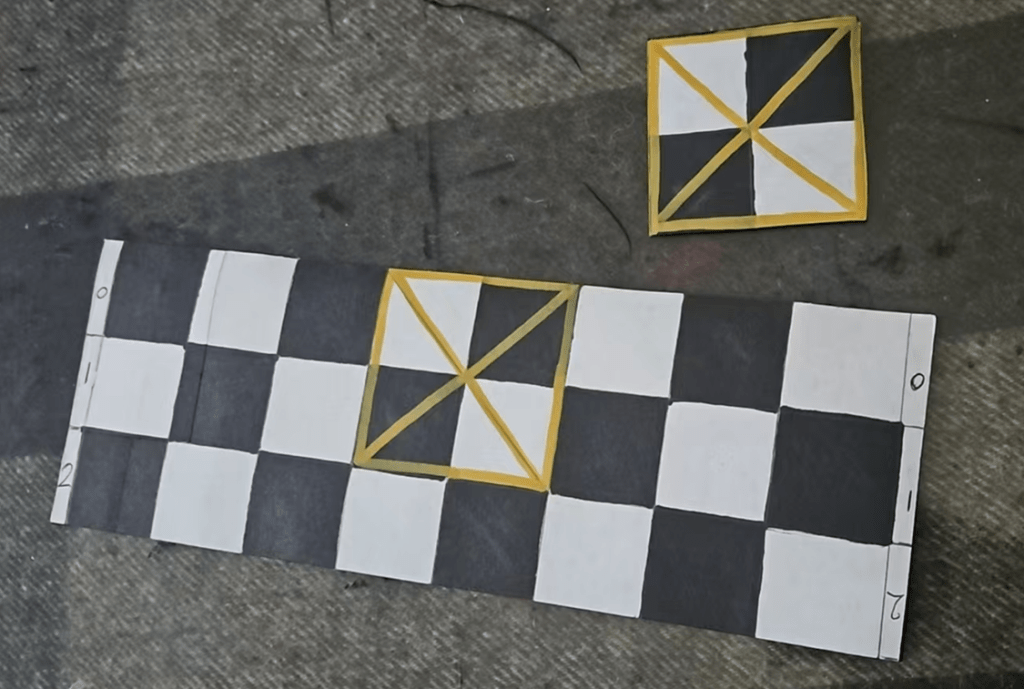
Chess Wars!
When playing this variant in Chess Wars! You may use the Pawn in Hand method to decide who plays first, but Set up should be layed out right away before play begins. Unless you are playing against another variant that gives time for laying the pieces. (Like Historia Ŝako)
Then you have to decide if you are playing on lines or on spaces. If you are playing on spaces you will need a larger board (9×10 specifically).
 Baldwin Games
Leave a comment