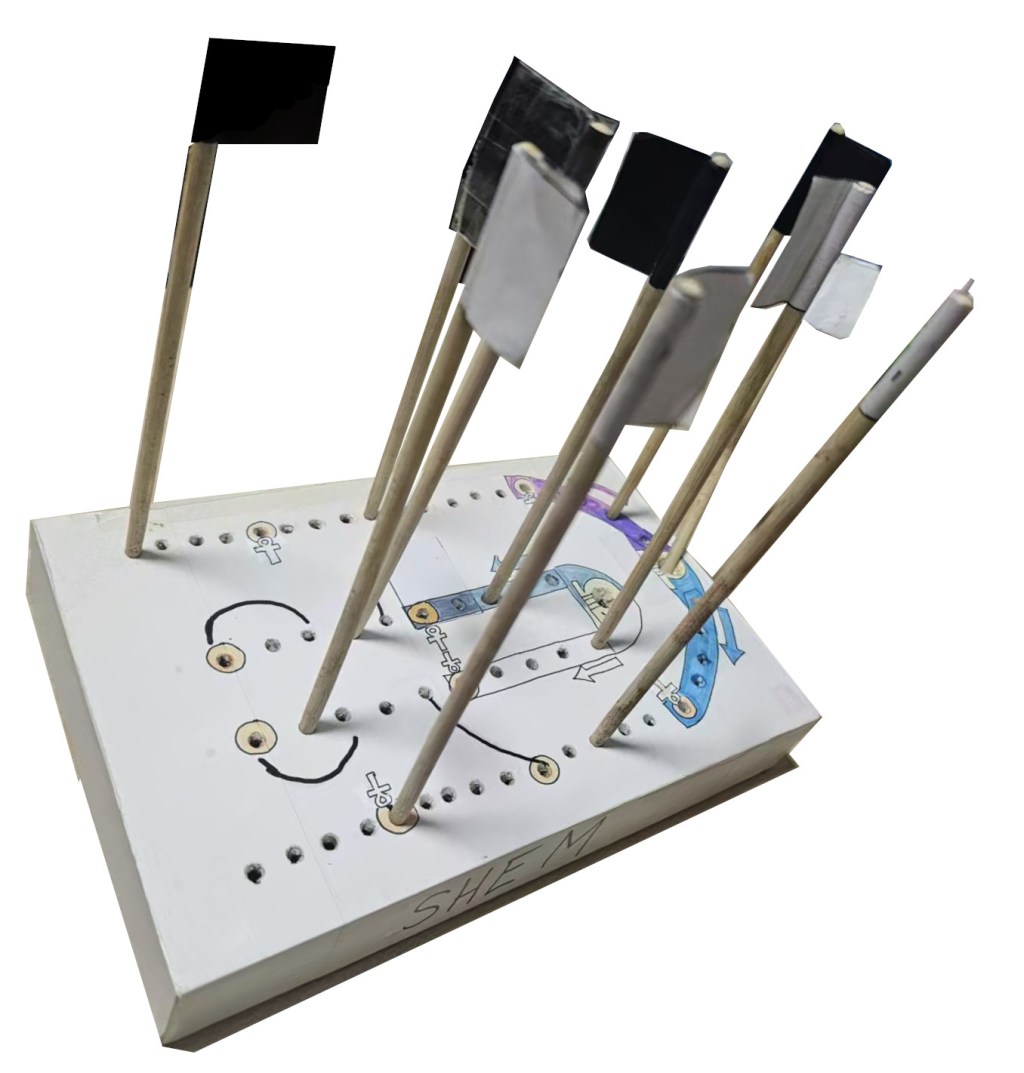
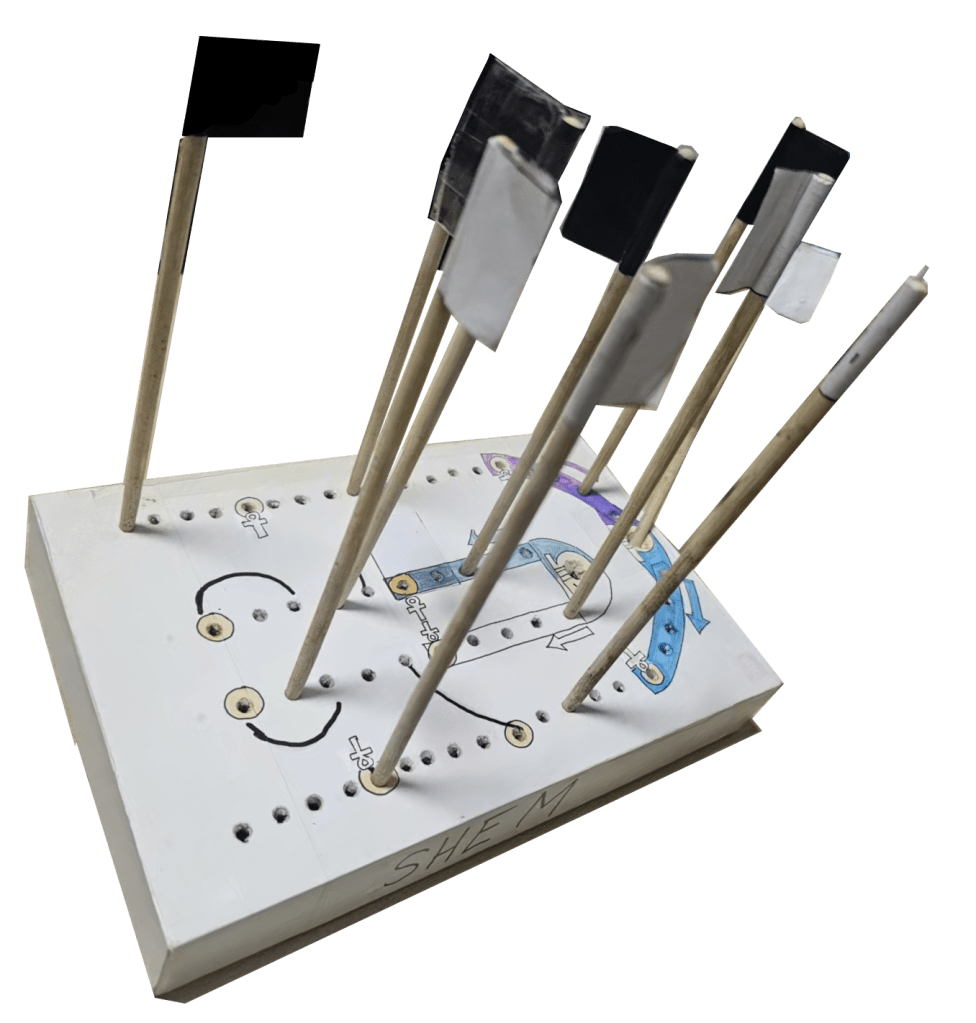
Shem, also known as Hounds and Jackals, The Palm Tree Game, or the Game of 58 holes. is an ancient Egyptian game, that has, like many other ancient games, been lost to the ages. Boards have been found, pieces have been found, but no name or evidence of the rules have been found to date.
I first became interested in the game after being introduced to it on an episode of Stargate SG:1 where it was mentioned that it was the favorite game of one of the main characters, Daniel Jackson.

The game was discovered in the late 1800 by an archeologist named William Petrie. He found parts of the game in a tomb for an ancient official; Reniseneb who is dated to somewhere between 2135BC to 1986BC. Since his discovery, many more copies of the game have been found all around the Middle East, even as far north as the Mediterranean Sea.
Through the discovery of other sets we know that the game is appeared in Mesopotamia around 3,000 years ago and then it exploded out from there. it was played for at least 2,500 years.
Since the game rules, and even it’s name have been lost several have been provided with some of the most comprehensible coming from a Russian Game Recreationist named Dimitri Skiryuk. But others have made version of rules for the game as well.
The Names all come from details found on the boards. Shem is the name of a hieroglyph found at the supposed final space on the board. It means “Eternal Life”. The Palm Tree Game was given to the game after several boards were found with palm trees etched into the center of the board. The game is sometimes called Hounds and Jackals because the playing pieces of many copies of the game were carved to resemble hounds and jackals. And the original discoverer, Dr Petrie, called it The Game of 58 Holes due to it’s 58 regular holes. (There are actually 59 holes if you include the Shem space, which is bigger)

My copy of Shem (The name I prefer) that I made is made from a thick cardboard box, It was an android tablet box. I covered the box with multiple layers of white, a4 label paper. I wanted to make sure that I had a white surface to work on. Then I looked at designs I could find online and drew them as closely as I could.
The pegs I made from disposable chopsticks. But since I could not carve hounds or jackals (My art skills are not that advanced), I just put little flags on the sticks.
Similar to my Senet Game, I flattened out half of a pair of chopsticks, then sliced them in half to make my casting sticks. I really think the casting sticks adds to the charm of the games.
I then used my Swiss army knife’s leather hole punch to push holed in the hard box at the appropriate spots as this was before I got my tools, like my drill.
Now here is where I deviated. My family has 5 people, (four at the time I made the game), so I then modified my version to playable by four people. by adding a second Shem. (You can find the rules and boards to both versions below).
To keep thing straight in my mind, I have been assigning the different game names attributed to this ancient game, to the different possible rules sets I have found online. Please be aware that all of the names, could, and most likely are used for every single set of rules when looking online or elsewhere, which to me is confusing. So in my home, these are all different games, that happen to use the same boards.

From the rules devised by Dimitri Skiryuk
In Shem the objective is to have all 5 of your pieces reach the Shem space before your opponent does.
Each player starts with one piece at the start. Each player will take turns casting the sticks.
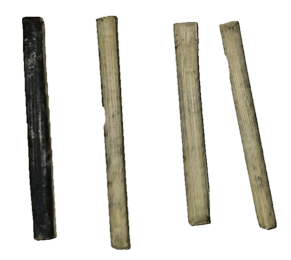
Move 1 space forward or backward

Move 2 spaces or backward
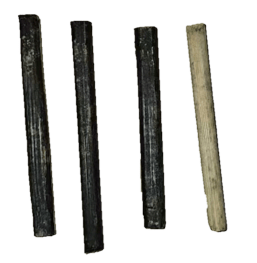
Move 3 spaces or backward

Move 4 spaces or backward
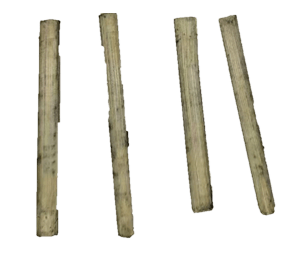
Move 5 spaces or backward

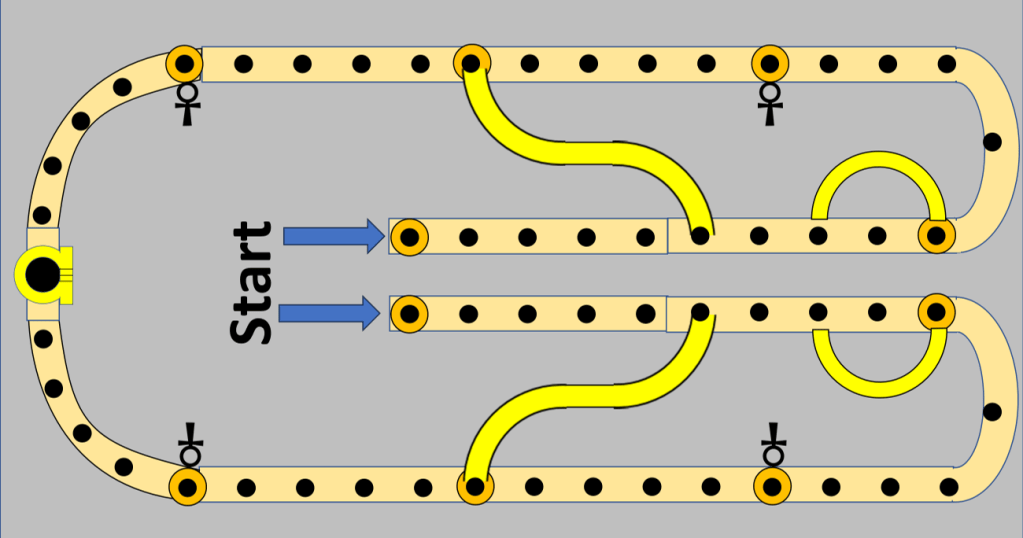
Slides: As you move there are a few special spaces. If you land on a space with a line moving from it, you slide along that line to the new space. This can work for or against you. For example landing on space 6, you will slide to space 20. Yay! However, if you land on space 10, you slide back to space 8, and this could lead to a repetitive trap if you keep casting 2. You could pass this by landing on 8 and skipping ahead to 10, and you could land on space 20 and be forced to slide back to 6.

When you pass the circle spaces (5, 10, 15, 20, 25) you may start another piece in the start space.
A note, your pieces may not pass your other pieces unless they use a slide. (Above)

Spaces with the Nefer symbol, if landed on, allow you to also roll again. (You also get a new starting piece as they are on circle spaces)
If there is still a piece in the starting space, you do not get a new one.

Your piece may only land here on an exact cast, you can never pass this space. If you land a piece on this space, it stays until all your pieces have been started, in which case you may remove it.
If all 5 of your pieces have been removed by landing on the Shem space, before your opponent does this, you win.

Based upon rules devised by Daniel Thibault
In Hounds and Jackals the objective become to remove all of your opponent’s pieces from the game.
This is a longer game than Shem above, but is played following most of the same rules. The main differences are these:
Just like in Shem, your piece may only land here on an exact cast and you can never pass this space. If you land a piece on this space, remove the furthest back piece of your opponent’s pieces. (The one farthest from Shem), and then move your piece from Shem to your start again.

Based upon Rules devised by Donna Washbourne
In The Game of 58 Holes The objective is to move all of your pieces from your side of the board to the opponent’s side of the board.

When you play The Game of 58 Holes Your piece travels the whole board. All five of your pieces start on the board.in the first 5 spaces on your side chosen. Unlike in Shem, it is specially mentioned that you can only move your piece forward.
If your piece lands on a space occupied by an opponent’s piece, it is knocked out of the game.
When you land on the circle spaces (5, 10, 15, 20, 25) your piece cannot be knocked out by another piece, and it is safe.
Spaces with the Nefer symbol, if landed on, you may play again. (you are also safe from being knocked out of the game by another piece.)
If a player has any pieces that have been removed from the game, none of his pieces may be moved until the missing pieces have been placed back on the board. The only way to put a piece back on the board is to cast a 1 on the casting sticks. Then one of the knocked off pieces will be placed on the furthest back available space in the starting area.

(I cannot find the original author of this rule set, sorry)
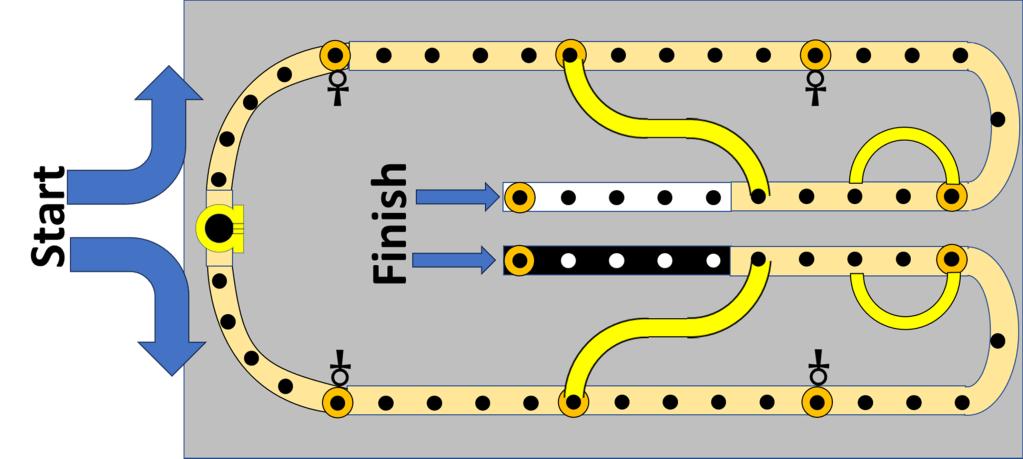
In The Palm Tree Game the objective it to be the first to move all 5 of your pieces from Shem to the top of the palm tree.
When you bring a piece onto the board, first you place them on Shem, and then cast your sticks to move them.
To land in the final spaces you must make exact rolls (casts)
In The Palm Tree Game, you only cast 3 sticks, instead of 4. with rolls moving similarly. a four sided dice may be used instead of the casting sticks for this version.
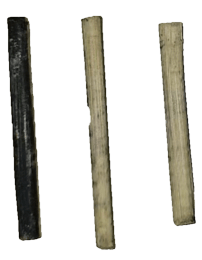
Move 1 space
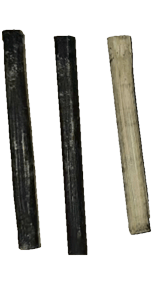
Move 2 spaces
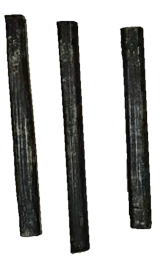
Move 3 spaces
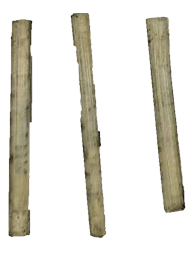
Move four spaces

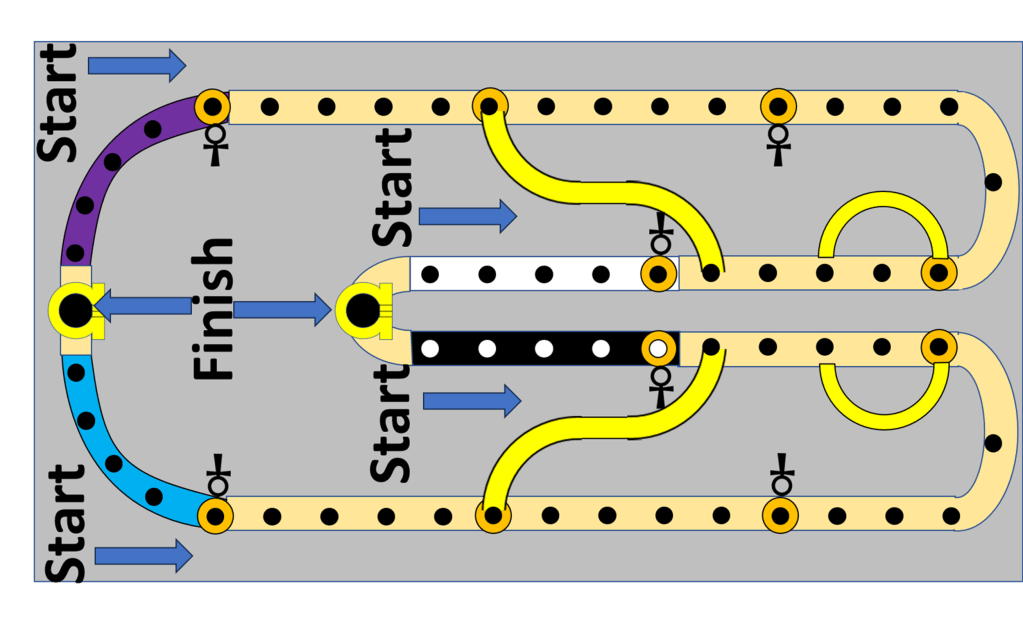
4 Player Shem is a personal creation. Each player has a starting point, (Colored Purple, blue, Black & White above). All of their pieces begin at the same time.
Like Shem the objective is to move downwards to the far Shem space. you may only move forwards in this version of the game. Blue pieces will try to finish in the Shem behind the Black Start, and Black will try to finish in the Shem behind Blue start, for example.
If you land on a space occupied by another’s piece, you remove that piece. the opponent must then cast (roll) a 1 to place it back on it’s start space.
When you land on the circle spaces (5, 10, 15, 20, 25) your piece cannot be knocked out by another piece, and it is safe.
Spaces with the Nefer symbol, if landed on, you may play again (You do not need to move this piece if you wish to move another)
4 player Shem may be played as teams (Blue and Purple vs White and Black, for example), or as 4 player competition (Every man for himself).
If played as teams, then I suggest an additional rule: Whenever a player reaches their Shem they may remove one of the pieces from the opposing team’s pieces. (To be placed again later). When all of your team’s pieces are off to the afterlife (arrive at Shem), you win.
 Baldwin Games
Leave a comment